We are focused on improving the quality of radiotherapy treatments for patients diagnosed with gynecological cancers.
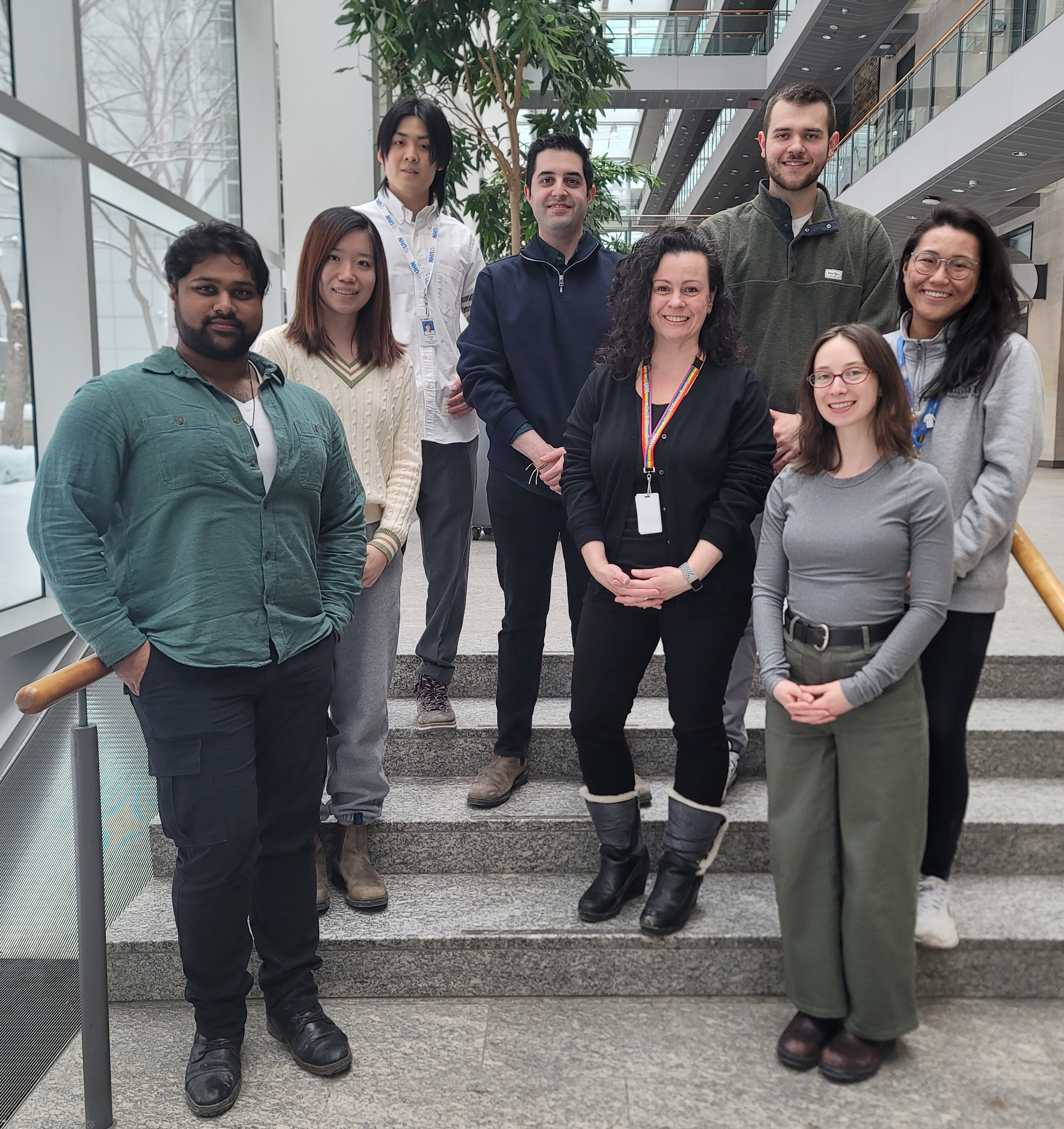
The Rink Lab work has an overarching theme of quality improvement in brachytherapy, with a focus on gynaecological malignancies. Driven by 15 years years of clinical experience, my research interests can be broadly subdivided into two themes: (a) improving efficiency and efficacy of brachytherapy treatments, and (b) improving in vivo measurements of absorbed radiation dose for radiation therapy quality assurance.
Efficiency and Efficacy in Brachytherapy
Several aspects of brachytherapy process are suitable for automation. Current projects investigate automation methods, not limited to Artificial Intelligence (AI), for various aspects of our workflow. The ultimate goal is to provide a platform fully capable of utilizing all of the multiparametric data available for an interventional brachytherapy program. The ongoing projects currently focus on: (a) self-supervised models (foundation models) with further downstream tasks pertinent to brachytherapy workflows, (b) mutiparametric approach to the complex task of autosegmentation for high dose-rate (HDR) brachytherapy in locally advanced cervical cancer patients, (c) clinical implementation and ongoing model performance strategies.
Dosimetric Measurements
My research interests in dosimetry revolve around using diacetylene monomer crystals, commonly referred to as radiochromic materials, which upon solid-state polymerization undergo a spectral change that can be read out using fibre-optic technology. I have extensively investigated two such monomer crystals used in commercially available dosimetry films for their performance in real-time as a function of various clinically relevant parameters. We are currently working on a self-calibration process through integration of an infrared absorbing dye and further investigating how chemical and structural features of the diacetylene crystals affect the dosimetric parameters of interest.