Current Trainees
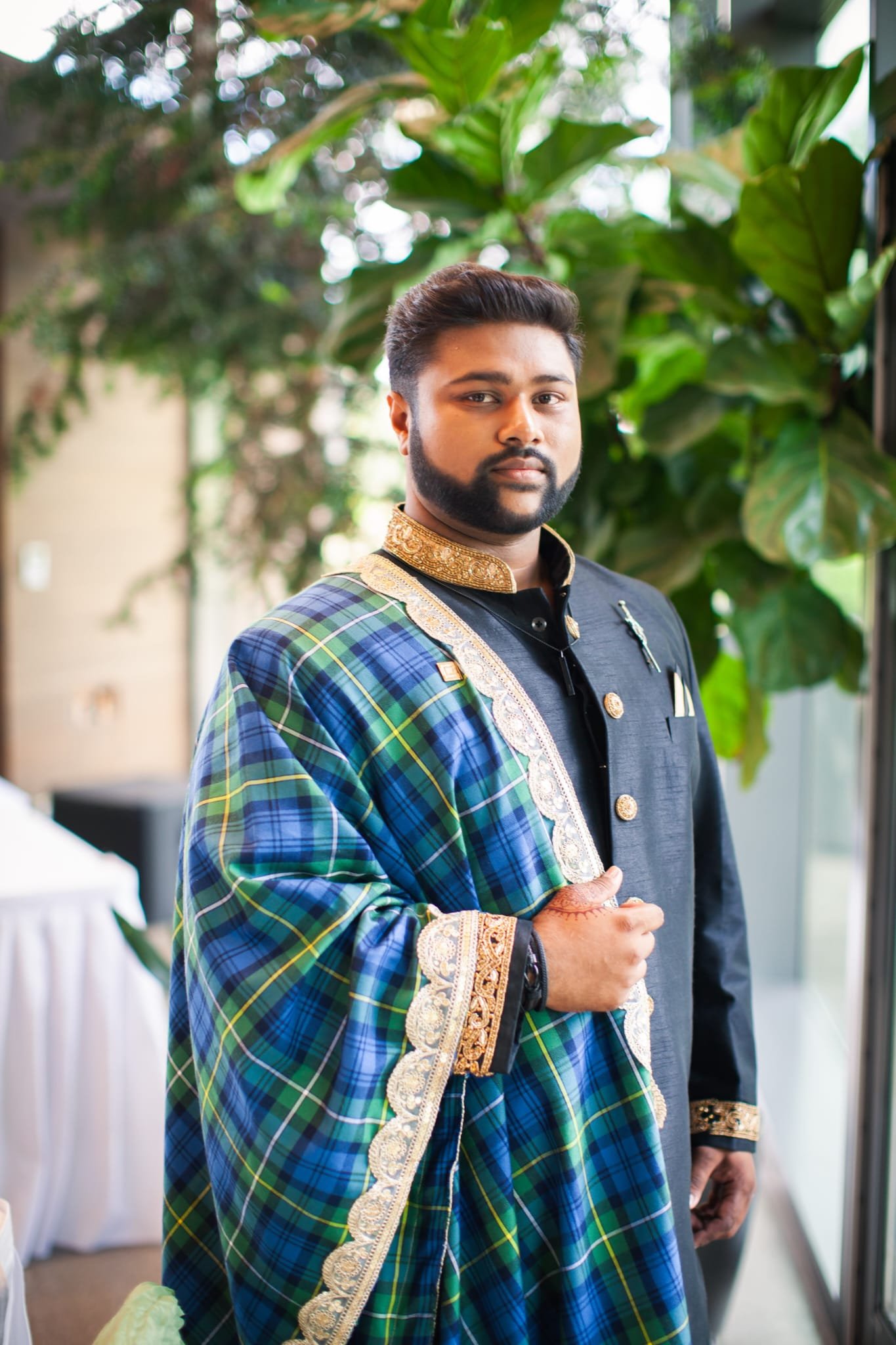
Rohith Kaiyum, MSc, PhD Student
Rohith finished his BSc with Honours at University of Toronto, Mississauga in 2018, with a Major in Health Sciences Biology and a Minor in Mathematical Sciences. Interested in pursuing a career as a Medical Physicist, Rohith joined Professor Ozzy Mermut’s lab at York University in 2019, and completed his Master’s Thesis, titled “Role of Water in Radiochromic LiPCDA Monomer Crystal Packing and Radiotherapy Dose Response”, under co-supervision of Professor Mermut and Dr. Rink in 2021. He is continuing his PhD in the same lab and under the same co-supervision, looking into incorporating a dye into a radiochromic coating for the purposes of optical self-calibration and further investigating the role of diacetylene monomer crystal packing on various dosimetry related parameters.
Rohith Kaiyum, Msc
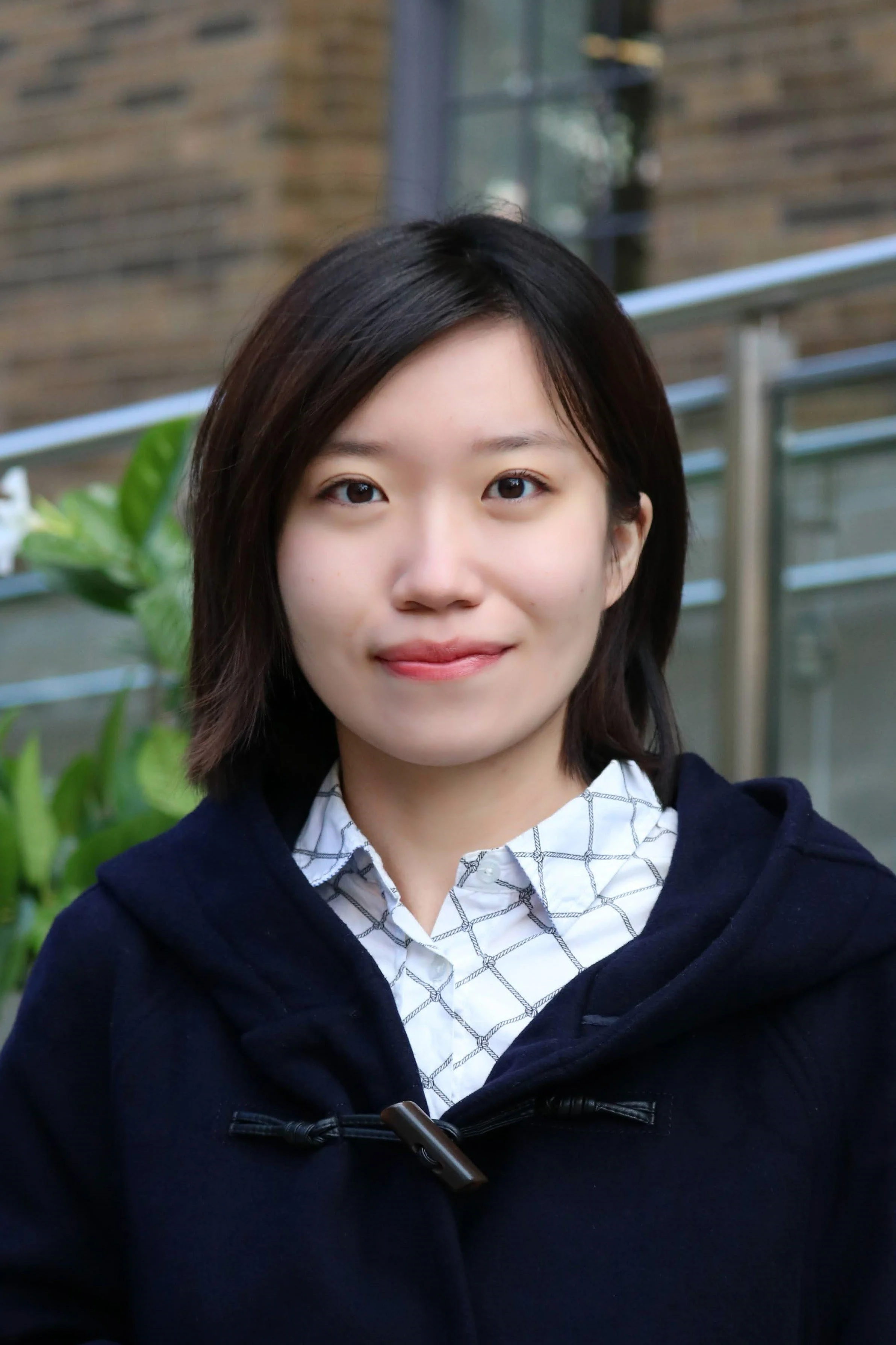
Ruiyan Ni, BSc, PhD Student
Ruiyan comes to the Rink Lab after completing her undergraduate studies at the Hong Kong Polytechnic University in 2020 with a BSc in Biomedical Engineering. Interested in eventually pursuing a career as a Medical Physicist, she has joined us in 2021. Co-supervised by Dr. Benjamin Haibe-Kains, Ruiyan is working on a deep learning (DL) model that autosegments organs at risk and targets for MR-guided high dose-rate (HDR) brachytherapy for cervical cancer. To date, she has integrated an inverse-square law-based loss function to help guide the model’s attention during training to areas near the target, as well as information from clinical exam using a large language model (LLM) to improve segmentation accuracy or high-risk clinical target volume.
Ruiyan Ni, BSc
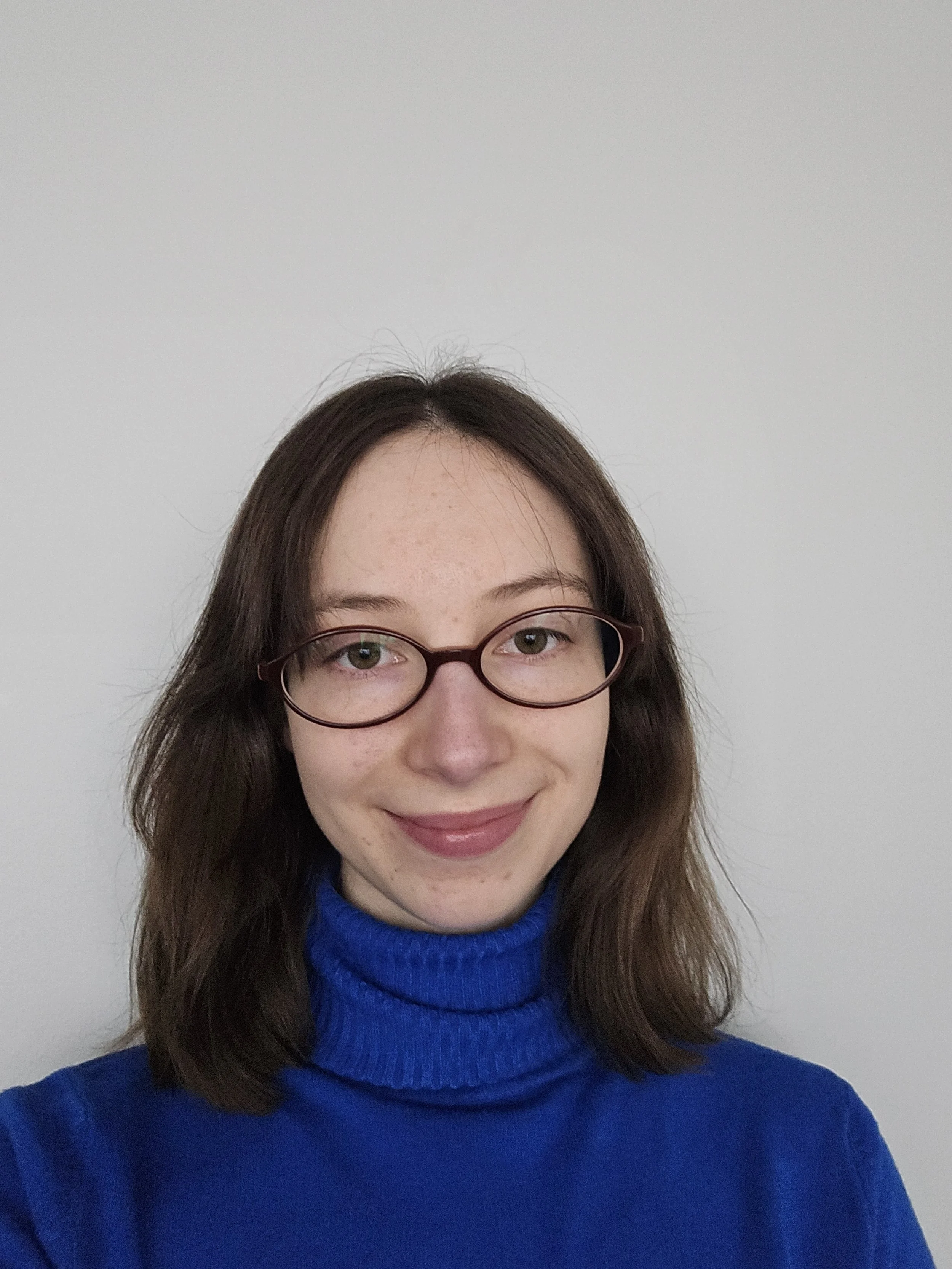
Madeline Rapley, BSc, MSc Student
Madeline graduated from Lakehead University with a Bachelor of Science in Physics, with a concentration in Biomedical Physics, in 2024. She joined the Medical Biophysics Department in 2024 and the Rink Lab in January of 2025. Her MSc project involves investigating alternative methods to 18F-fluorodeoxyglucose positron emission tomography (FDG-PET) using magnetic resonance imaging (MRI). She is focusing her approach on using exogenous glucose analogues with a technique called chemical exchange saturation transfer (CEST), investigating this approach for use in cervical cancer models.
Madeline Rapley, BSc
Caleb Thompson, BESc BSc, MSc Student
Caleb completed his Bachelor of Engineering Sciences and Bachelor of Science (Dual Degree Program) at Western University, graduating with distinction in 2024. He commenced his Master’s in Medical Biophysics in the 2024, joining our lab. His project involves building a deep learning (DL) model that can take ulabeled magnetic resonance imaging (MRI) datasets to create a foundational model for downstream tasks related to optimizing high dose-rate (HDR) brachytherapy for locally advanced cervical cancer patients.
Caleb Thompson, BESc BSc
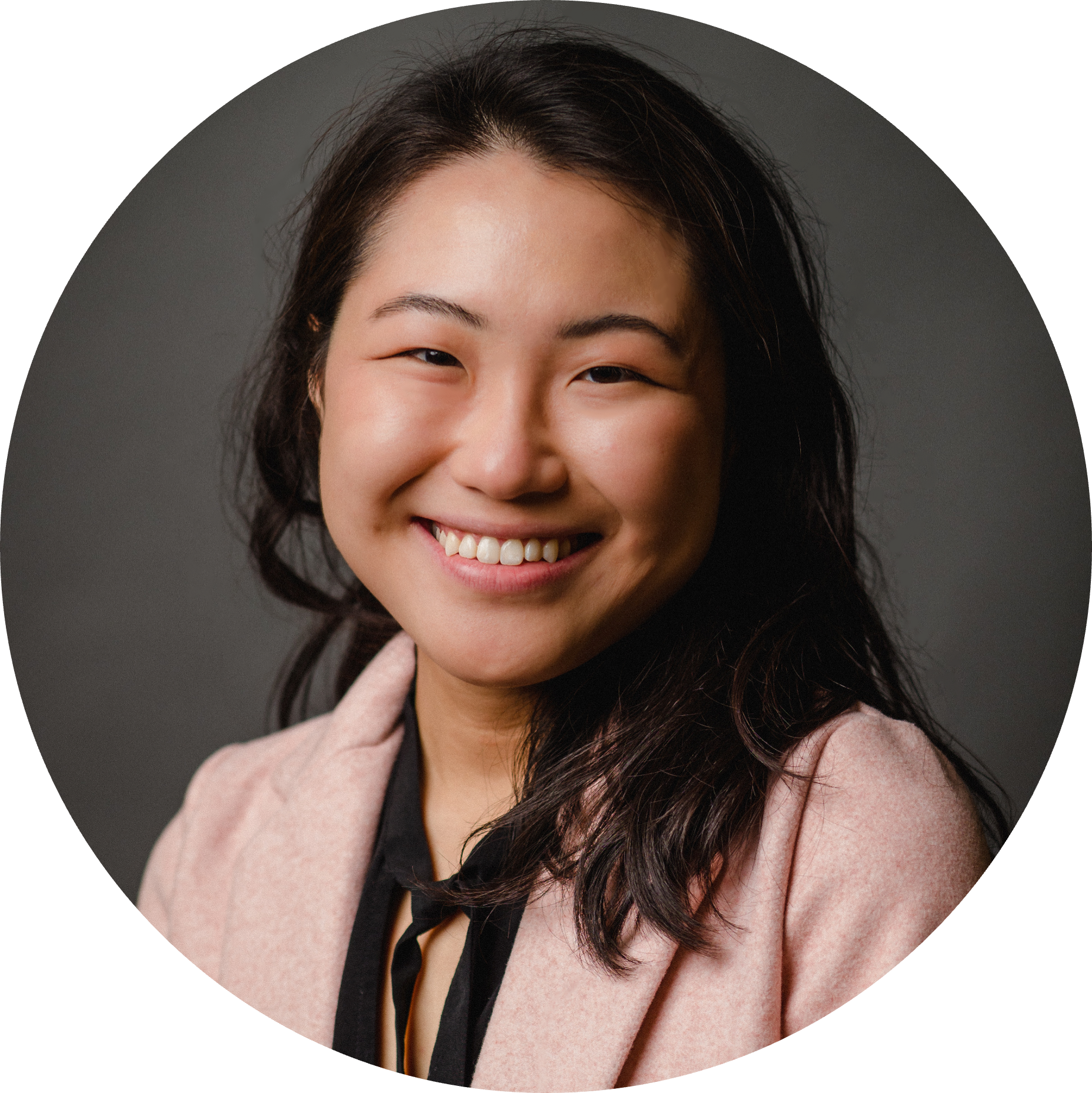
Rachel L. Shum, PhD, Postdoctoral Fellow
Dr. Rachel L. Shum joined the lab in March of 2025, after completing her PhD in late 2024 in Polymer and Materials Chemistry at Queen’s University, where she researched antimicrobial smudge-resistant polymer coatings. Prior to that, she has completed her BSc with Honours in Chemistry at McMaster University, and her MSc in Molecular Science at the Toronto Metropolitan University (formerly Ryerson). Dr. Shum is currently working on investigating how the side groups of diacetylene molecules affect crystal packing parameters, as well as their sensitivity to ionizing radiation, spectral characteristics, and polymerization kinetics.
Rachel L. Shum, PhD
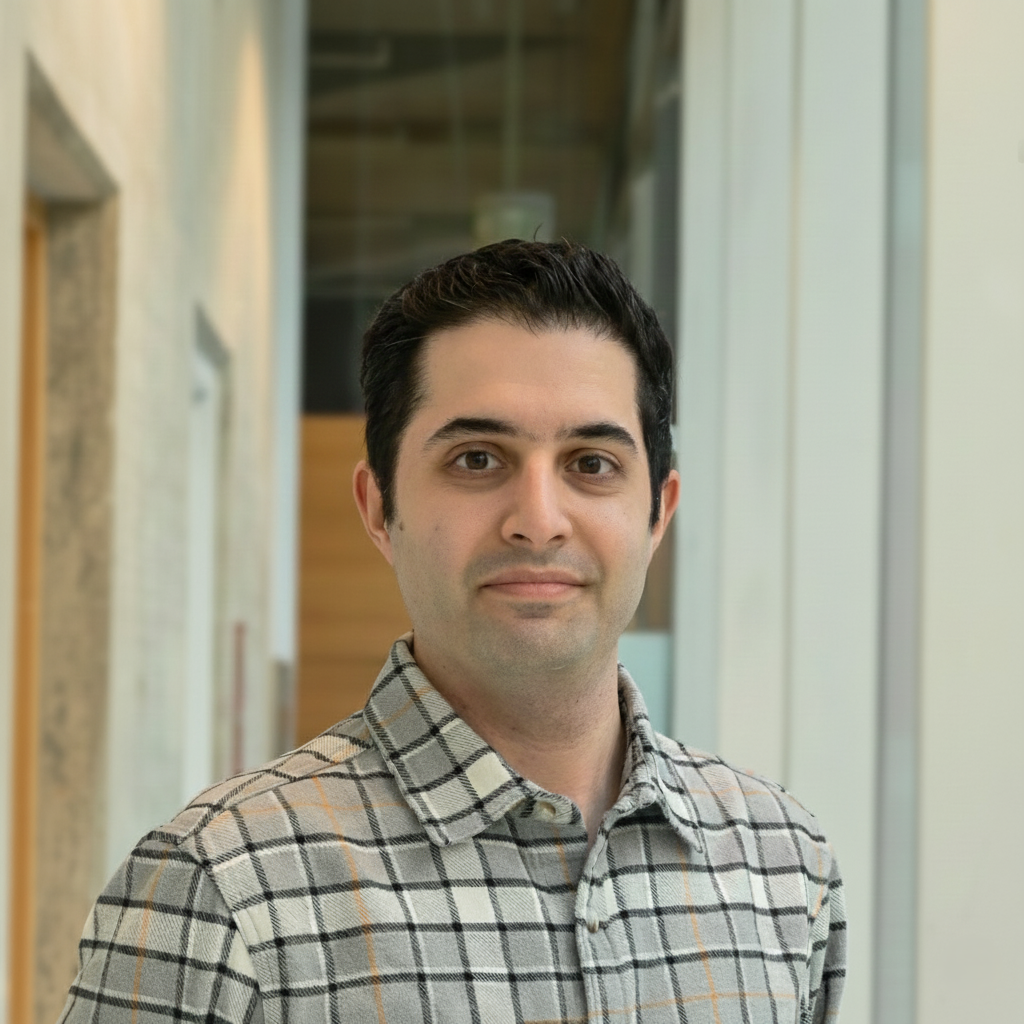
Soroush Ghomashchi, MSc, PhD Student
Soroush Ghomashchi comes with a BSc in Medical Biophysics from the University of Western Ontario and a MSc in Medical Biophysics from the University of Toronto. With experience in medical imaging processing and analysis, and a keen interest in machine learning for medical applications, Soroush initially joined the lab as a Research Associate in the summer of 2025. Since starting his PhD in the fall of 2025, Soroush is now working on incorporating diagnostic images and diagnostic report as well as multiparametric MRI and multi-modality imaging into our deep learning model for the accurate autosegmentation of targets in cervical HDR brachytherapy.
Soroush Ghomashchi, MSc
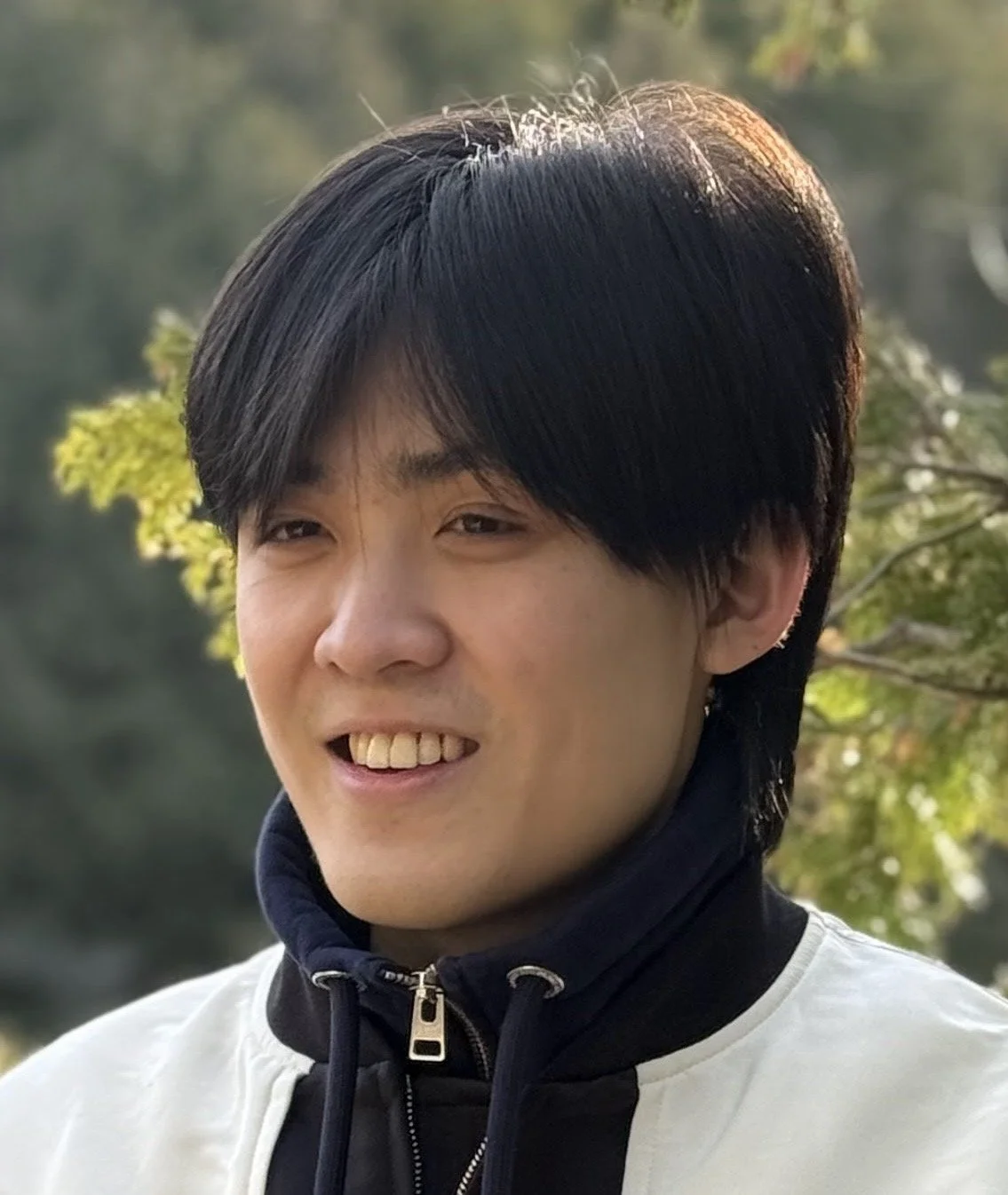
Ryan Yan, BASc, PhD Student
One of the newest members of the lab, Ryan Yan finished his BASc in Biomedical Engineering at the University of Waterloo in 2025. During his undergraduate degree, Ryan worked in several research labs honing his skills in methods for semi-automation, machine learning and deep learning algorithms as they apply to the medical field. Entering directly into a PhD program, Ryan started in the Rink Lab in January of 2026. His thesis will focus on novel methods for training foundational models for downstream tasks in a variety of radiotherapy applications.
Ryan Yan, BASc
Past Trainees
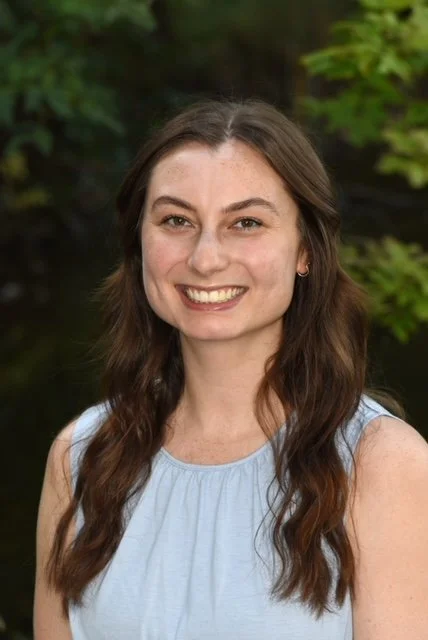
Jillian Bennett, MSc
Jill Bennett joined the Rink Lab in 2021 after completing a BSc with Honours in Physics at Queen’s University. A recipient of many awards and accolades during her two-year graduate program, which she finished in 2023, Jill worked on automatic optimization of catheter positions for transperenial implant in high-dose rate (HDR) brachytherapy for locally advanced cervical cancer patients.
Jillian Bennett, MSc
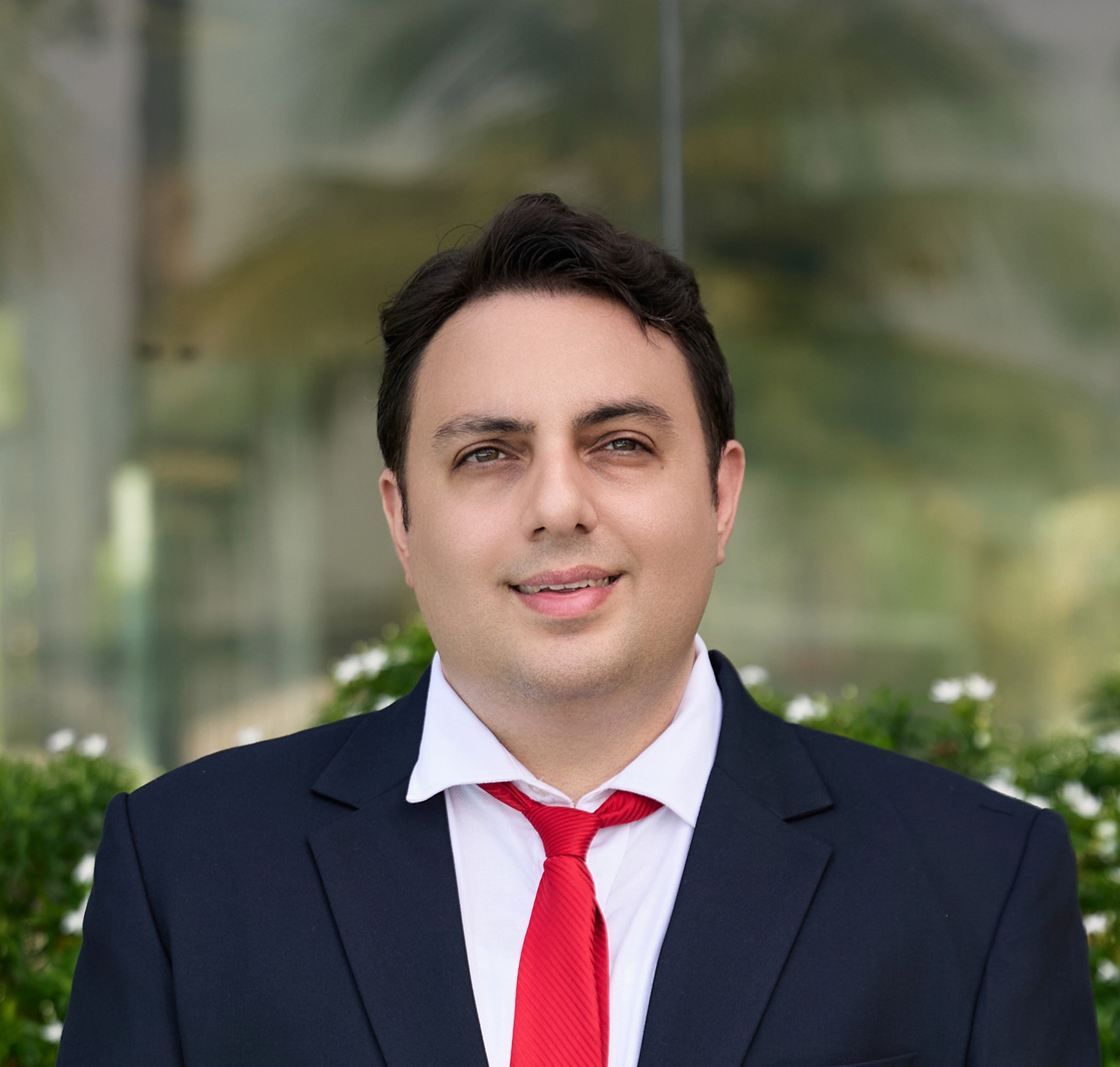
Christopher Schruder, PhD
Christopher completed his BSc with Honours in Chemical Physics at the University of Toronto in 2010. Under co-supervision of Drs. Pietro and Organ at the Department of Chemistry, University of York, he has completed his PhD thesis titled “Silica Sol-Gel Materials as a Catalyst Support for Use in a Microwave-Assisted Continuous-flow Organic Synthesis System”. In 2019, he joined Professor Mermut’s lab as a postdoctoral fellow, and in 2020 the Rink Lab under co-supervision. His project here included working on a hollow-core multiplexing solution for radiochromic optical fibre dosimeters, which he wrapped up in 2022.
Christopher Schruder, PhD